


Who Develops Macular Degeneration? Age, Lifestyle, and Genetic Risks
Macular degeneration is one of the leading causes of vision loss in adults, yet many people don’t realize they’re at risk until symptoms appear. At Texas State Optical, we believe that awareness, prevention, and routine eye care are key to preserving sight at every stage of life.
What Is Macular Degeneration?
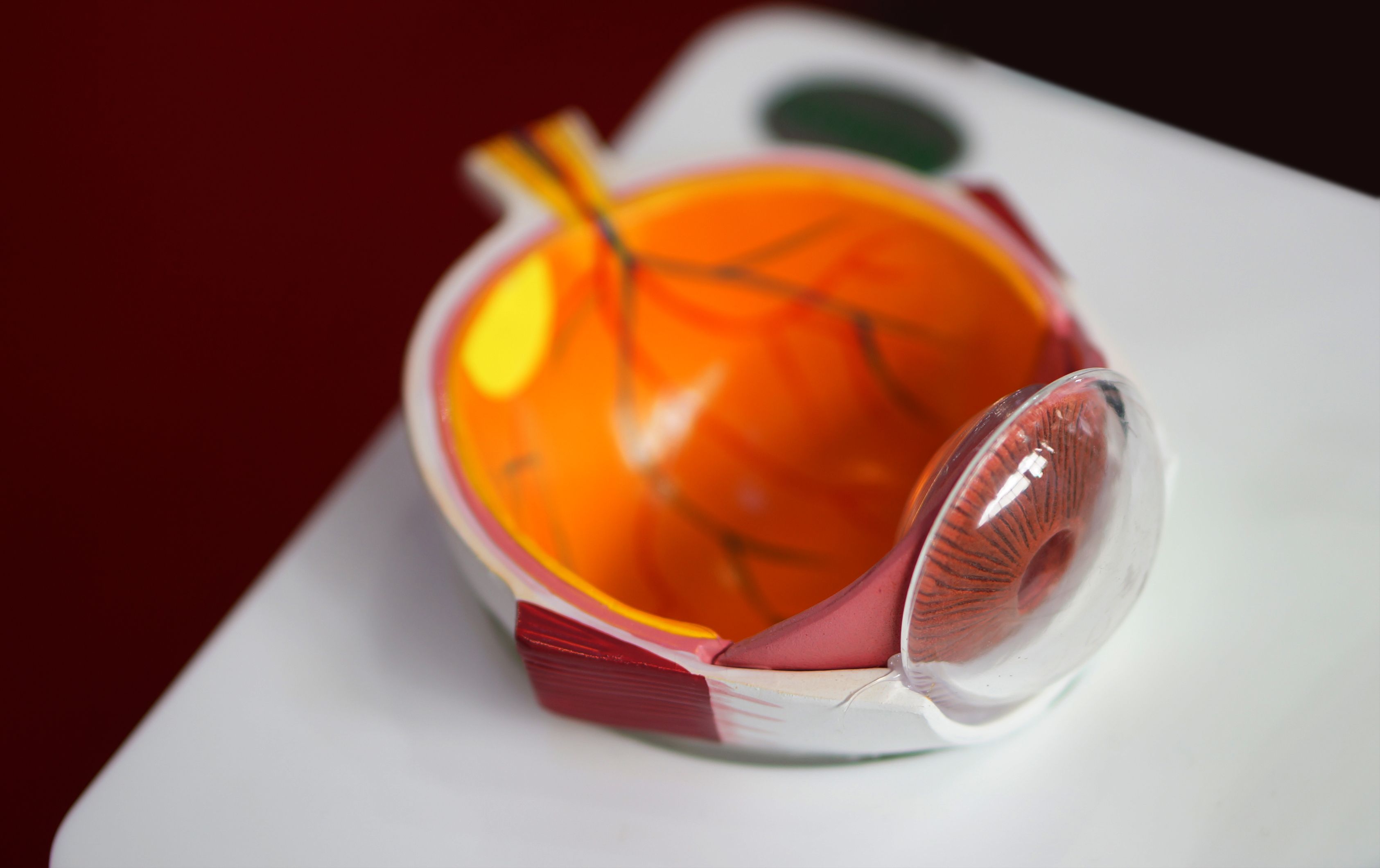
Macular degeneration affects the macula, the central portion of the retina responsible for sharp, detailed vision. When the macula becomes damaged, everyday tasks like reading, driving, and recognizing faces can become increasingly difficult.
There are two main forms:
- Dry macular degeneration, which progresses gradually
- Wet macular degeneration, which can advance more rapidly and cause sudden vision changes
Age: The Most Common Risk Factor
Age-related macular degeneration (AMD) most often develops after age 50. As we get older, the delicate retinal tissues naturally become more vulnerable to damage and degeneration.
Risk increases significantly with:
- Advancing age
- Long-term exposure to environmental stressors
- Reduced ability of the retina to repair itself over time
Because early stages often have no noticeable symptoms, routine eye exams are especially important as we age.
Lifestyle Factors That Increase Risk
Certain lifestyle choices can accelerate the onset or progression of macular degeneration. These include:
- Smoking: Smoking is one of the strongest known risk factors. It reduces oxygen supply to the retina and increases harmful oxidative stress.
- Poor Nutrition: Diets low in antioxidants, vitamins, and omega-3 fatty acids may weaken the retina’s natural defenses.
- UV and Blue Light Exposure: Chronic exposure to sunlight without proper eye protection can contribute to retinal damage over time.
- Cardiovascular Health: High blood pressure, high cholesterol, and obesity can impair blood flow to the eyes, increasing risk.
The good news is many of these factors are modifiable, and proactive eye care can help monitor and reduce their impact.
Genetic Risk: Family History Matters
If a close family member has macular degeneration, your risk may be higher. Genetics can influence how the retina responds to aging and environmental stress.
While you can’t change your genetic makeup, early detection allows for:
- Closer monitoring
- Lifestyle recommendations tailored to your risk level
- Earlier intervention if changes are detected
Why Routine Eye Exams Are Essential
Macular degeneration often develops silently, with little to no noticeable symptoms in its early stages. This is why regular eye exams play such a critical role in protecting long-term vision and overall eye health.
Through early detection, advanced diagnostic technology can identify subtle changes in the retina before vision is affected. These early findings allow eye doctors to recognize macular degeneration in its earliest stages, when intervention can be most effective. High-resolution retinal imaging gives eye doctors a detailed view of the macula, even in patients who are not yet experiencing symptoms. This technology provides precise insight into retinal health and helps guide informed care decisions.
For patients with early or diagnosed macular degeneration, routine eye exams are essential for monitoring disease progression. Regular evaluations allow eye doctors to track changes over time and adjust treatment or management plans as needed.
When macular degeneration is detected early, timely treatment and personalized lifestyle guidance can help slow its progression and preserve vision for as long as possible.
Stay Ahead of AMD with Texas State Optical
Macular degeneration doesn’t develop overnight, and it rarely affects everyone the same way. Age, lifestyle choices, and genetics all play a role - but early detection and ongoing care can make a lasting difference.
If you’re over 50 or have a family history of macular degeneration, schedule your annual eye exam with Texas State Optical to help safeguard your sight for years to come. Visit our office in Santa Fe, Texas, or call (409) 231-6800 to book an appointment today.


Operating Hours
- Monday Closed
- Tuesday 8:00 AM - 5:30 PM
- Wednesday 8:00 AM - 5:30 PM
- Thursday 8:00 AM - 5:30 PM
- Friday 8:00 AM - 5:30 PM
- Saturday 8:00 AM - 12:00 PM
- Sunday Closed
Contact Us
© 2026 Texas State Optical. All rights Reserved. Accessibility Statement - Privacy Policy - Sitemap
Powered by:
